
Introduction
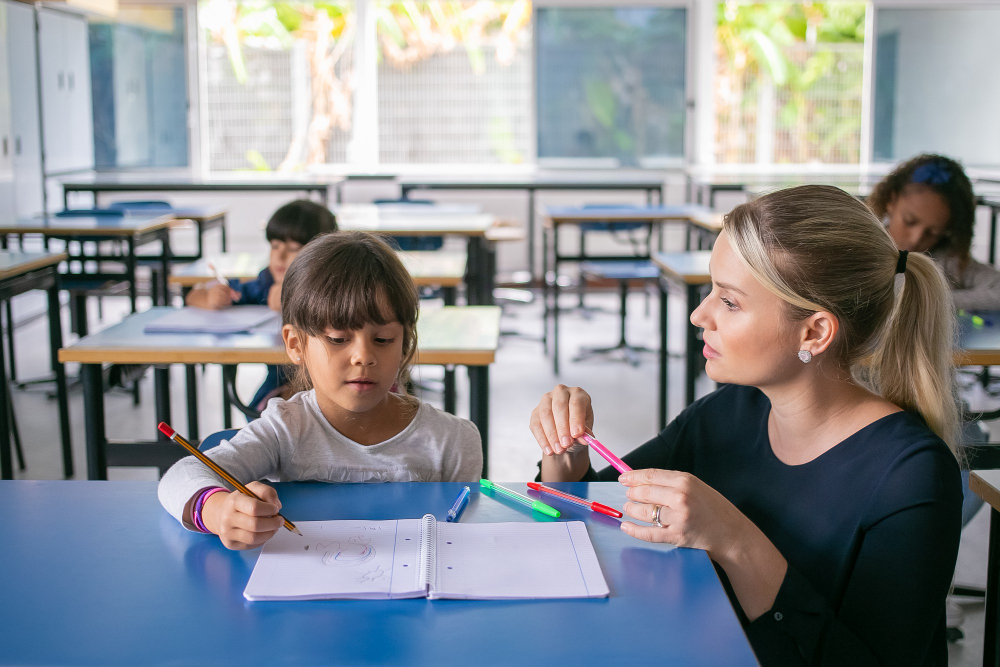
Many children face challenges in school. For some, these challenges make learning or socializing hard. This is where occupational therapy (OT) can help. How OT helps kids succeed in the classroom is a topic that matters to parents and teachers. Occupational therapy for children in schools focuses on helping kids do their best in class. OT uses special activities and strategies to support learning, behavior, and social skills. In this blog, you will learn how OT can make a real difference for children.
What is Occupational Therapy (OT)?
Occupational therapy is a type of health care. It helps people do everyday tasks. For children, OT means learning skills needed for school and play. For example, OT helps with writing, using scissors, or paying attention. Occupational therapists are trained professionals. They work with children, parents, and teachers to set goals and create plans. According to the World Health Organization (WHO), OT helps people of all ages live better lives.
Common Classroom Challenges for Kids
Many children struggle with certain tasks in school. These challenges can affect learning and confidence. Some common classroom challenges include:
As a result, these issues can make school stressful for kids and teachers. However, OT can help address these problems.
How OT Addresses These Challenges
Occupational therapists use many strategies to help children in the classroom. For instance, they may:
Because every child is different, OT plans are tailored to each student. OT classroom strategies are designed to fit the child’s needs and the school setting.
Benefits of OT in Academic and Social Development
OT offers many benefits for children in schools. Not only does it help with learning, but it also supports social growth. Some key benefits include:
Moreover, improving learning with OT can lead to long-term success in school and beyond.
Real-Life Examples: How OT Makes a Difference
Let’s look at two real-life examples. First, a young boy struggled to write his name. After working with an occupational therapist, he learned hand exercises and used a special pencil grip. Soon, he could write clearly and felt proud of his work. In another case, a girl found it hard to join group games. Her OT taught her simple ways to ask others to play. As a result, she made new friends and enjoyed recess. These stories show how OT can change lives.
How to Access OT Services for Children
Many schools offer occupational therapy for children in schools. If you think your child needs help, you can:
Early support can make a big difference. Therefore, do not wait to seek help if you notice challenges.
Tips for Parents and Teachers to Support Kids Alongside OT
Parents and teachers play a key role in helping children succeed. Here are some tips to use along with OT:
Additionally, sharing updates between home and school helps everyone stay on track.
Prevention and Early Intervention Strategies
Early action can prevent bigger problems later. For example, noticing small delays in skills can lead to faster support. Some prevention and early intervention strategies include:
Because early help is best, always reach out if you have concerns.
Conclusion
Occupational therapy can help children overcome classroom challenges and reach their full potential. With the right support, kids can improve learning, build friendships, and enjoy school more. Consult a licensed occupational therapist for personalized guidance on helping your child succeed in school.