
Introduction
Sinus issues can cause stuffy noses, headaches, and pressure in your face. Many people deal with these problems every year. Sinuses are small air spaces in your head. When they get blocked or infected, you may feel pain or pressure. While medicines can help, some people look for natural sinus treatment. One option is sinuses with acupuncture. Acupuncture is an ancient practice that may help ease sinus symptoms. In this blog, you will learn how acupuncture for sinus relief works and what you can expect.
What Are Sinus Issues?
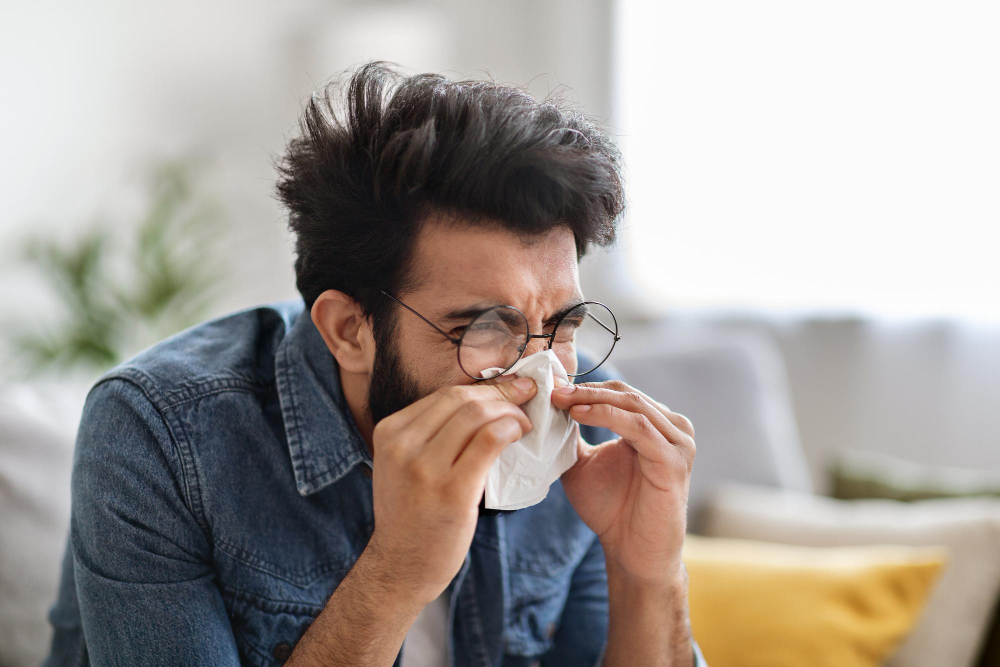
Sinus issues happen when the spaces in your head become swollen or blocked. This can lead to pain and trouble breathing. Often, sinus problems are caused by infections, allergies, or colds. For example, you might notice symptoms like:
Sometimes, sinus issues last only a few days. However, they can also become chronic and last for weeks. If you have ongoing sinus problems, it is important to seek help.
How Does Acupuncture Work?
Acupuncture is a treatment that uses thin needles placed in certain points on your body. According to traditional Chinese medicine, these points help balance your energy. However, modern science suggests acupuncture may help by:
Because of these effects, acupuncture for sinus relief is becoming more popular. Many people try it as a natural sinus treatment when other methods do not work.
Benefits of Acupuncture for Sinus Problems
Many studies show acupuncture can help reduce sinus symptoms. For instance, it may ease pain and pressure in your face. Some benefits include:
Additionally, acupuncture is a drug-free option. This means you may avoid some side effects of medicines. According to the World Health Organization (WHO), acupuncture is safe when done by trained experts.
What to Expect During an Acupuncture Session
Before your session, your acupuncturist will ask about your symptoms. Then, you will lie down in a calm room. Next, the expert will place thin needles in certain spots, often on your face, hands, or feet. You may feel a small pinch, but most people say it does not hurt. Usually, the needles stay in place for 15 to 30 minutes. After the session, you may feel relaxed or notice less sinus pressure. For best results, you may need several sessions.
Safety and Side Effects
Acupuncture is safe for most people when done by a trained professional. However, you should always check your provider’s credentials. Some mild side effects can happen, such as:
Serious problems are rare. Still, if you have a bleeding disorder or take blood thinners, talk to your doctor first. Always use clean, single-use needles to avoid infection.
Lifestyle Tips for Managing Sinus Issues
Along with sinus pressure acupuncture, you can try these tips to help manage sinus problems:
In addition, eating healthy foods and washing your hands often can help prevent infections.
Prevention and When to See a Doctor
To prevent sinus issues, try to avoid triggers like dust, pollen, or smoke. Also, wash your hands to stop germs from spreading. However, if your symptoms last more than 10 days, get worse, or you have a high fever, see a doctor. Sometimes, sinus problems need medical treatment. Early care can help prevent serious issues.
In summary, sinuses with acupuncture may offer natural relief for many people. However, always talk to a qualified acupuncturist or healthcare provider for advice that fits your needs.