Reiki healing for Autism is gaining attention as families look for supportive therapies. Reiki is a gentle energy healing method. Autism, or Autism Spectrum Disorder (ASD), affects how people communicate and interact. This blog explores Reiki healing for Autism, its possible benefits, safety, and what research says. We aim to help families make informed choices about Reiki and other alternative therapies for Autism.
What is Reiki Healing?
Reiki is a form of energy healing that began in Japan in the early 1900s. The word “Reiki” means “universal life energy.” Practitioners believe this energy flows through every living thing. During a Reiki session, the practitioner places their hands lightly on or above the body. They aim to help balance the body’s energy and promote relaxation. Many people use Reiki to reduce stress and support well-being. However, it is not a replacement for medical care.
Understanding Autism
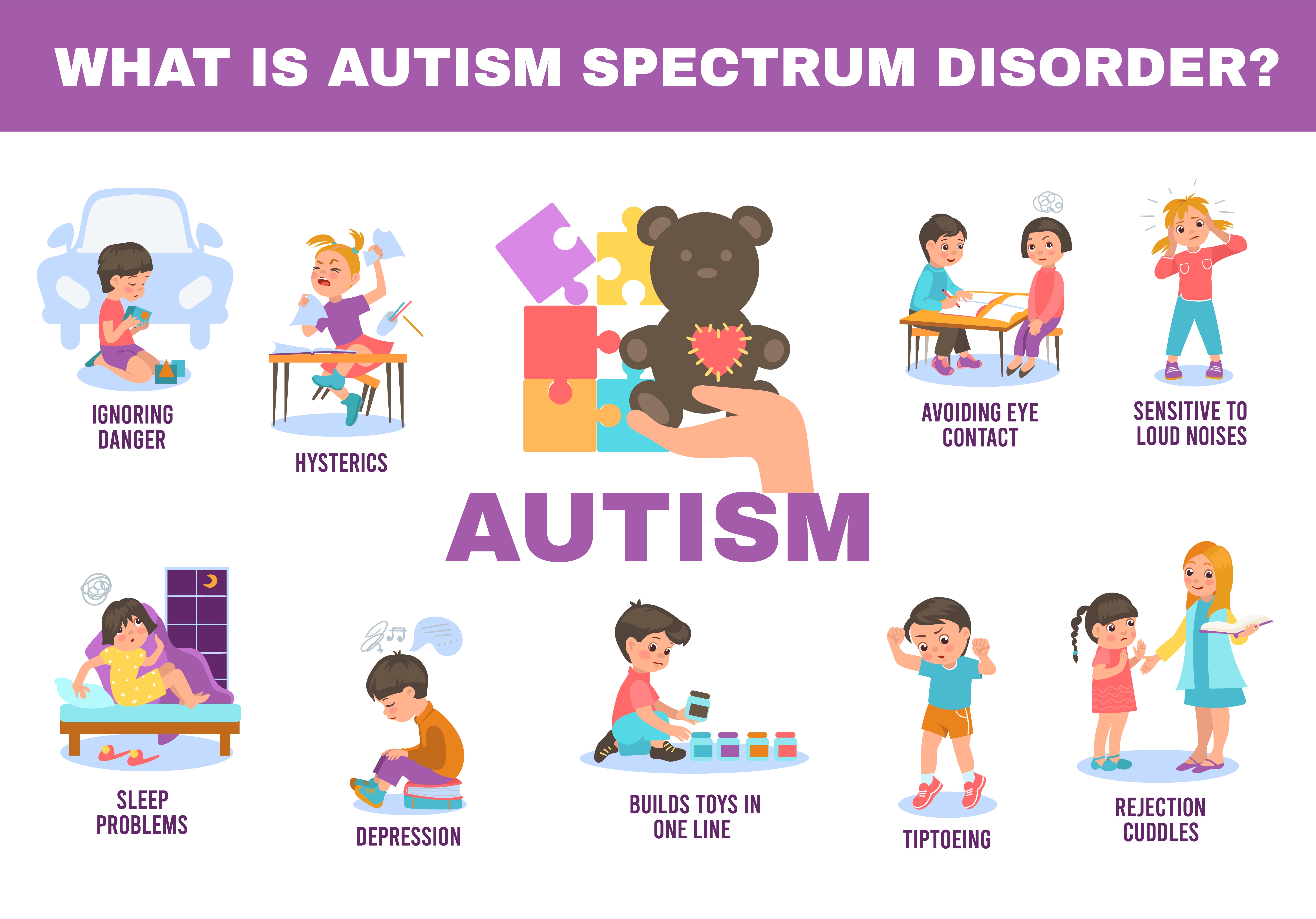
Autism Spectrum Disorder (ASD) is a condition that affects brain development. People with Autism may have trouble with social skills, speech, and behavior. For example, some may avoid eye contact or have strong reactions to sounds or lights. Others may repeat actions or have narrow interests. Autism is different for each person. While some need a lot of support, others can live more independently. Early support and therapy can help children and adults with Autism manage daily life.
How Reiki Healing is Used for Autism
Families sometimes seek Reiki healing for Autism as a way to support their loved ones. During a Reiki session, the person with Autism sits or lies down, fully clothed. The practitioner gently places their hands on or just above the body. Sessions often last 30 to 60 minutes. Some children or adults may feel calm or relaxed during Reiki. Practitioners may adjust their approach to suit the person’s needs. For example, they may avoid touch if the person is sensitive. Reiki is usually given in a quiet, peaceful setting. The practitioner’s role is to create a safe space and support relaxation.
Potential Benefits of Reiki Healing for Autism
Some families and practitioners report positive effects from Reiki healing for Autism. While scientific evidence is limited, possible benefits may include:
For example, a few small studies and case reports suggest Reiki may help reduce anxiety in children with Autism. However, most evidence is anecdotal, meaning it comes from personal stories rather than large research studies.
Safety and Considerations
Reiki healing for Autism is generally considered safe. Because it is non-invasive and gentle, most people do not experience side effects. However, it should never replace medical or behavioral therapies for Autism. Always talk to your doctor before starting any new therapy. Some things to keep in mind include:
Reiki is best used as a complementary therapy, not as the main treatment for Autism.
What Does the Research Say?
Currently, there is limited scientific research on Reiki healing for Autism. A few small studies and case reports suggest Reiki may help with relaxation and anxiety. However, large-scale, high-quality studies are lacking. The World Health Organization (WHO) and Centers for Disease Control and Prevention (CDC) do not list Reiki as a proven treatment for Autism. Most experts agree that more research is needed to understand the effects of Reiki on Autism. Until then, Reiki should be seen as a supportive, not primary, therapy.
Tips for Families Considering Reiki Healing
If you are thinking about Reiki healing for Autism, consider these tips:
Additionally, always combine Reiki with proven therapies and regular medical care.
Conclusion
In summary, Reiki healing for Autism is a gentle, supportive therapy. Some families report benefits like relaxation and reduced anxiety. However, scientific evidence is limited. Reiki should never replace medical or behavioral therapies. Always consult your healthcare provider before trying new therapies. With the right information, families can make safe and informed choices.
Consult a healthcare specialist before starting any complementary therapy for Autism.