
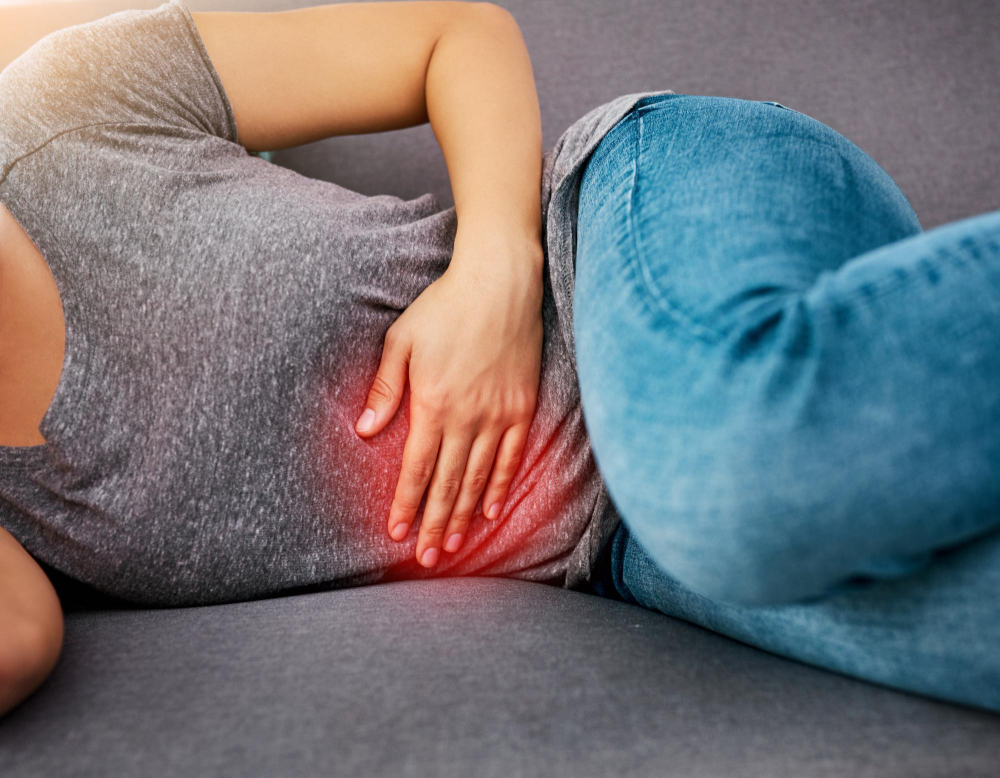
What Are Menstrual Cramps?
Menstrual cramps are common and affect many women during their periods. These cramps, also called dysmenorrhea, cause pain in the lower belly. For some, the pain is mild. However, others may feel sharp or throbbing pain that can last for hours or even days. Often, cramps start just before or at the beginning of a period. In addition, some people may have back pain, nausea, or headaches. While over-the-counter medicine helps some, others look for natural relief for period pain.
What Is Acupuncture?
Acupuncture is an ancient practice from China. It involves placing very thin needles into specific points on the body. Many people use acupuncture as an alternative therapy for menstrual cramps and other health issues. According to the World Health Organization (WHO), acupuncture is safe when done by a trained professional. Because it is drug-free, some people prefer it over medicine.
How Acupuncture May Help Menstrual Cramps
Acupuncture may help ease menstrual pain by affecting the body’s natural pain signals. When needles are placed at certain acupuncture points for menstrual pain, the body may release endorphins. These are natural chemicals that help reduce pain. Moreover, acupuncture may improve blood flow and relax muscles in the lower belly. As a result, many women report less pain and discomfort during their periods.
Benefits and Potential Risks
There are several benefits to using acupuncture for menstrual cramps:
However, there are also some risks to consider:
Therefore, always choose a licensed and trained acupuncturist to lower risks.
What to Expect During an Acupuncture Session
Before your session, the acupuncturist will ask about your health and period pain. Next, you will lie down comfortably. Then, the acupuncturist will gently place thin needles into specific points, often on your lower belly, legs, or back. Usually, the needles stay in place for 20 to 30 minutes. Most people feel little or no pain during the process. After the session, you may feel relaxed or notice less pain. Sometimes, several sessions are needed for the best results.
Scientific Evidence and Research
Several studies have looked at acupuncture for menstrual cramps. For example, research published in peer-reviewed medical journals shows that acupuncture can lower pain levels for many women. The National Institutes of Health (NIH) and WHO both recognize acupuncture as a possible treatment for period pain. However, more large studies are needed to confirm how well it works for everyone. Still, many women find it helpful as part of a natural or alternative therapy for menstrual cramps.
Tips for Choosing a Qualified Acupuncturist
It is important to pick a skilled and licensed acupuncturist. Here are some tips:
By choosing a qualified provider, you can feel safer and more comfortable during treatment.
Lifestyle Tips for Managing Menstrual Cramps
Besides acupuncture, there are other ways to ease period pain. For instance, you can try:
These simple steps may help reduce pain and improve your well-being.
Prevention and Self-Care Advice
While you cannot always prevent menstrual cramps, some habits may help. For example, keeping a period diary can help you track patterns and triggers. In addition, managing stress through relaxation or meditation may lower pain. If cramps are severe or last many days, talk to your doctor. Sometimes, cramps can be a sign of another health issue that needs care.
In summary, acupuncture for menstrual cramps is a natural and safe option for many women. However, results can vary. Consult a qualified healthcare provider or licensed acupuncturist for personalized advice on managing menstrual cramps.