
Introduction
Knee braces are special devices worn around the knee. They help support the joint and keep it stable. Many people use knee braces after an injury or surgery. Others wear them to prevent knee injuries during sports or daily activities. In this blog, you will learn how knee braces work, when to use them, and how they help with recovery and injury prevention.
Types of Knee Braces
There are several types of knee braces. Each type serves a different purpose. For example, some braces offer strong support, while others are soft and flexible. Here are the main types:
Because each knee brace is designed for a specific need, it is important to choose the right one.
How Knee Braces Support Recovery
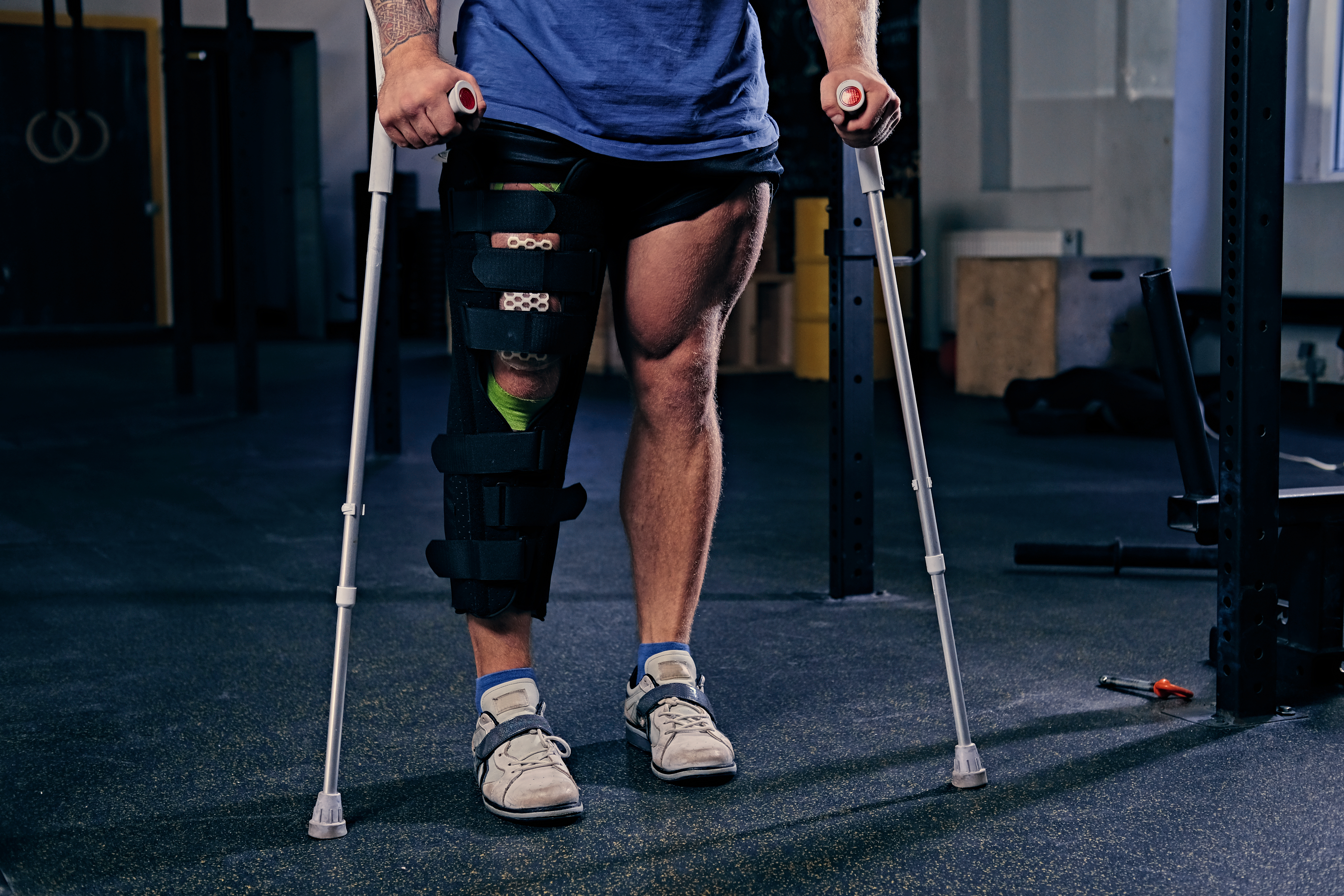
After a knee injury, your doctor may suggest a knee brace. This is because knee braces help keep the knee stable. As a result, the joint can heal without too much movement. For example, after surgery, a rehabilitative brace can protect the knee while you recover. In addition, knee braces can reduce pain and swelling by providing gentle compression. They also remind you to move carefully, which lowers the risk of further injury.
How Knee Braces Prevent Injury
Many athletes use knee braces to avoid injuries. For instance, a prophylactic brace can protect the knee during contact sports. Knee braces help by supporting the ligaments and muscles around the joint. This extra support can stop the knee from twisting or bending the wrong way. Even if you are not an athlete, wearing a knee brace during certain activities can help prevent strains or sprains.
When to Use a Knee Brace
You may need a knee brace if you have:
However, always talk to a healthcare professional before using a knee brace. They can help you choose the best knee brace for recovery or injury prevention.
Tips for Choosing and Using Knee Braces
Choosing the right knee support device is important. Here are some tips to help you:
Additionally, always check your skin for redness or sores after wearing a brace.
Potential Risks and Precautions
While knee braces are helpful, there are some risks. For example, wearing a brace for too long can make your muscles weaker. Sometimes, a poorly fitted brace can cause skin irritation or pressure sores. Therefore, it is important to follow your doctor’s advice. If you notice pain, swelling, or skin changes, stop using the brace and seek medical help.
Conclusion and Call-to-Action
In summary, knee braces can help support recovery and prevent knee injuries. They offer stability, reduce pain, and protect your knee during healing or activity. However, choosing the right brace and using it properly is key. For the best results, consult a healthcare professional to find the right knee brace for your needs.