Introduction
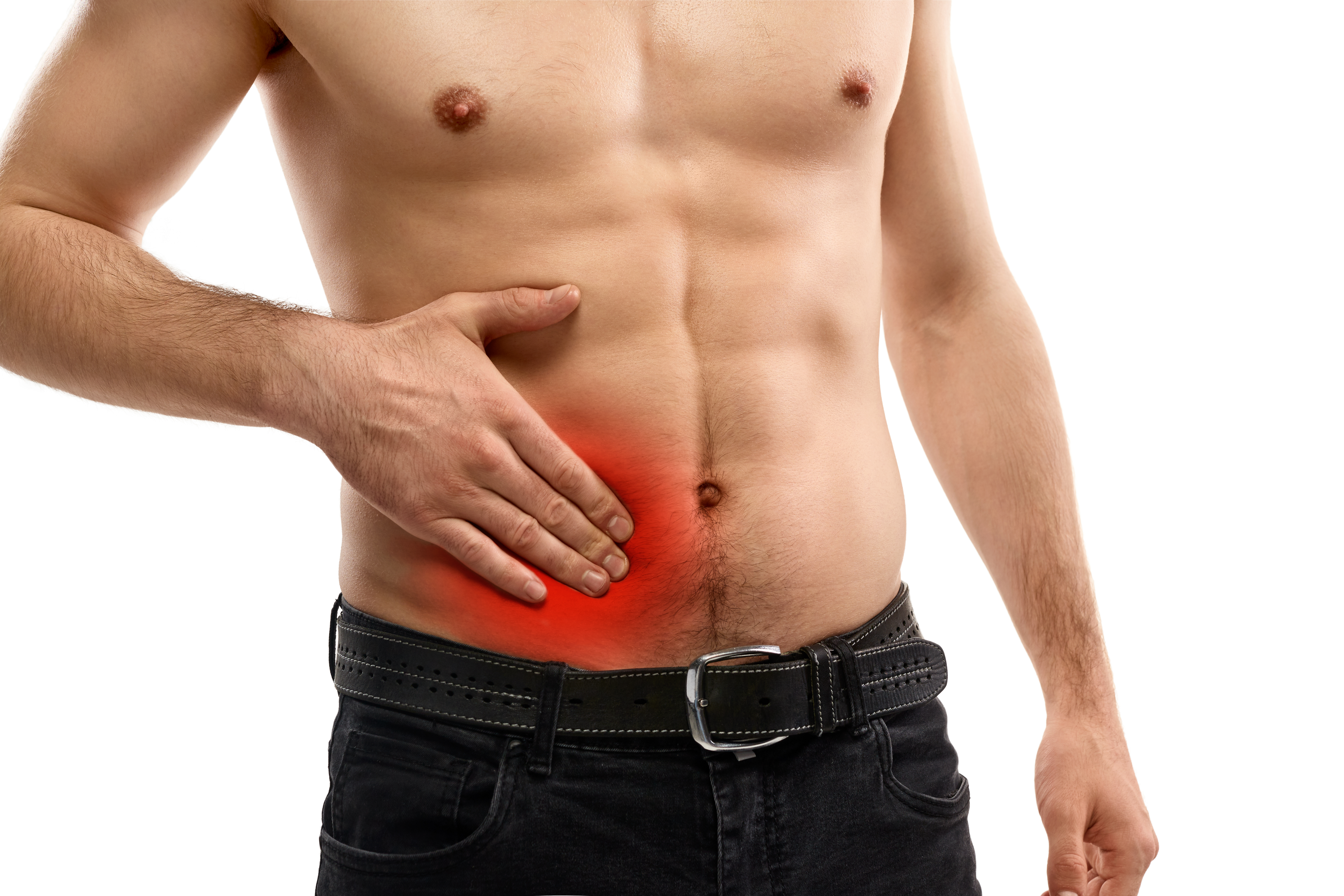
A hernia happens when an organ or tissue pushes through a weak spot in muscle or tissue. Common types of hernia include inguinal hernia, femoral hernia, umbilical hernia, and hiatal hernia. Each type affects different parts of the body. For example, an inguinal hernia appears in the groin, while a hiatal hernia affects the upper stomach. Understanding the symptoms and causes can help you seek care early. This guide explains the main types, symptoms, causes, diagnosis, and treatment options for hernias.
Symptoms of Common Hernias
Hernia symptoms can vary based on the type. However, many people notice a bulge or swelling. Sometimes, you may feel pain or discomfort, especially when lifting or bending. Below are common symptoms for each type:
Sometimes, hernias do not cause pain. But if you notice a new lump or swelling, you should talk to your doctor. In rare cases, hernias can cause severe pain, nausea, or vomiting. These signs may mean the hernia is trapped and needs urgent care.
Causes and Risk Factors
Hernias often develop when pressure pushes an organ through a weak spot in muscle. Many factors can increase your risk. For instance, heavy lifting, chronic coughing, or straining during bowel movements can lead to hernias. Some people are born with weak muscles, making hernias more likely. Other risk factors include:
Because these factors can add stress to your body, it is important to stay healthy and avoid unnecessary strain.
Diagnosis Methods
Doctors use several methods to diagnose hernias. First, they will ask about your symptoms and medical history. Next, they will examine the area for swelling or a bulge. Sometimes, you may need to stand, cough, or strain during the exam. If the diagnosis is not clear, your doctor may order tests such as:
Early diagnosis helps prevent complications. Therefore, do not ignore any new or unusual symptoms.
Treatment Options
Hernia treatment depends on the type, size, and symptoms. Some small hernias do not need surgery right away. Instead, your doctor may suggest watchful waiting. However, most hernias will not heal on their own. Common treatment options include:
Because untreated hernias can cause serious problems, it is important to discuss the best treatment for you with your doctor.
Prevention Tips and Lifestyle Guidance
While not all hernias can be prevented, you can lower your risk with healthy habits. For example, you can:
Additionally, if you have a cough, treat it early. This helps reduce pressure on your abdomen. By making these changes, you can protect yourself from hernias.
When to See a Doctor
If you notice a new lump, swelling, or pain, you should see a doctor soon. Also, seek help if you have symptoms like severe pain, nausea, vomiting, or trouble passing stool. These signs may mean the hernia is trapped or blocked, which is an emergency. Early care can prevent serious problems. Therefore, do not wait if you are worried about hernia symptoms.
Consult a healthcare professional for personalized advice on hernia diagnosis and treatment.