What is Celiac Disease?
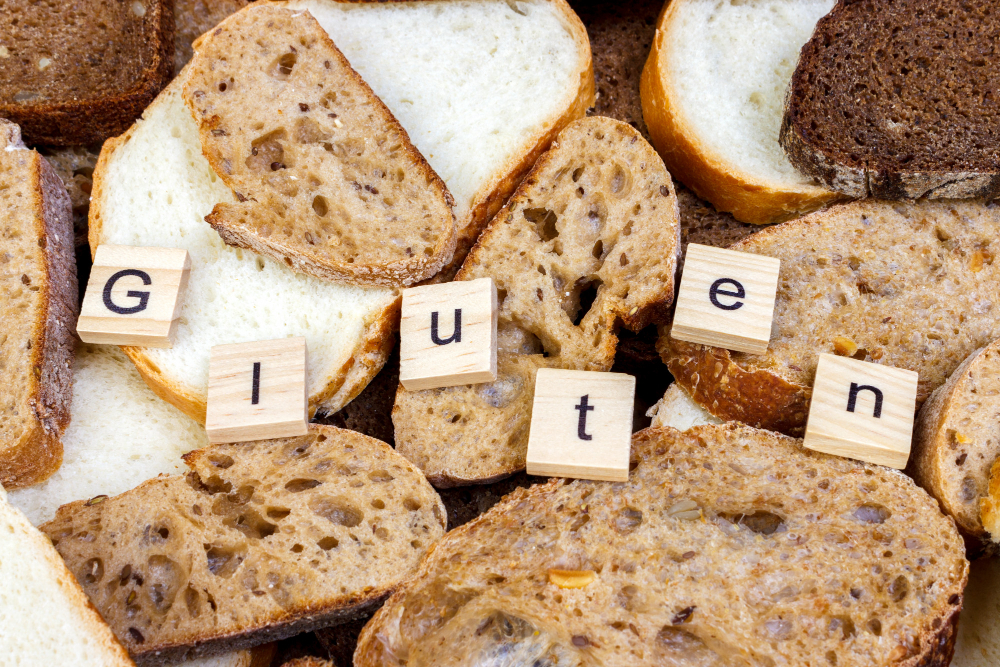
Celiac disease is a health condition where the body reacts to gluten. Gluten is a protein found in wheat, barley, and rye. When people with celiac disease eat gluten, their immune system attacks the small intestine. As a result, this can cause many health problems. According to the CDC, about 1 in 100 people worldwide have celiac disease. However, many people do not know they have it.
Understanding Gluten Sensitivity
Not everyone who reacts to gluten has celiac disease. Some people have gluten sensitivity. This means their body does not handle gluten well, but it does not damage the intestine. Even so, gluten sensitivity can cause uncomfortable symptoms. For example, people may feel tired or have stomach pain after eating gluten. Unlike celiac disease, gluten sensitivity does not show up in standard medical tests.
Common Symptoms of Celiac Disease and Gluten Sensitivity
Many symptoms of celiac disease and gluten sensitivity are similar. However, celiac disease can cause more serious health issues over time. Below are some common signs to watch for:
Sometimes, children may not grow as expected. In addition, adults may have weak bones or mouth sores. If you notice these celiac disease symptoms, it is important to pay attention. Early action can help prevent long-term problems.
How Celiac Disease is Diagnosed
Doctors use several steps to diagnose celiac disease. First, they ask about your symptoms and family history. Next, they may order blood tests to look for certain antibodies. If these tests suggest celiac disease, a doctor may recommend a small intestine biopsy. This test checks for damage in the gut. For gluten sensitivity, there are no specific tests. Instead, doctors rule out celiac disease and wheat allergy before making a diagnosis.
When to See a Doctor
If you notice gluten sensitivity signs or celiac disease symptoms, you should talk to a doctor. For example, if you have ongoing stomach pain, diarrhea, or unexplained weight loss, do not ignore these signs. Also, if a close family member has celiac disease, you may be at higher risk. Early diagnosis can help you feel better and avoid serious health issues.
Tips for Managing Symptoms and Living Gluten-Free
Once diagnosed, the main treatment for celiac disease is a gluten-free diet. This means avoiding foods with wheat, barley, and rye. Here are some tips to help manage symptoms and live gluten-free:
With the right steps, most people with celiac disease can live healthy lives. However, it is important to stay informed and check with your doctor regularly.
If you suspect gluten sensitivity or celiac disease, consult a healthcare specialist for personalized advice.