What is Liver Cirrhosis?
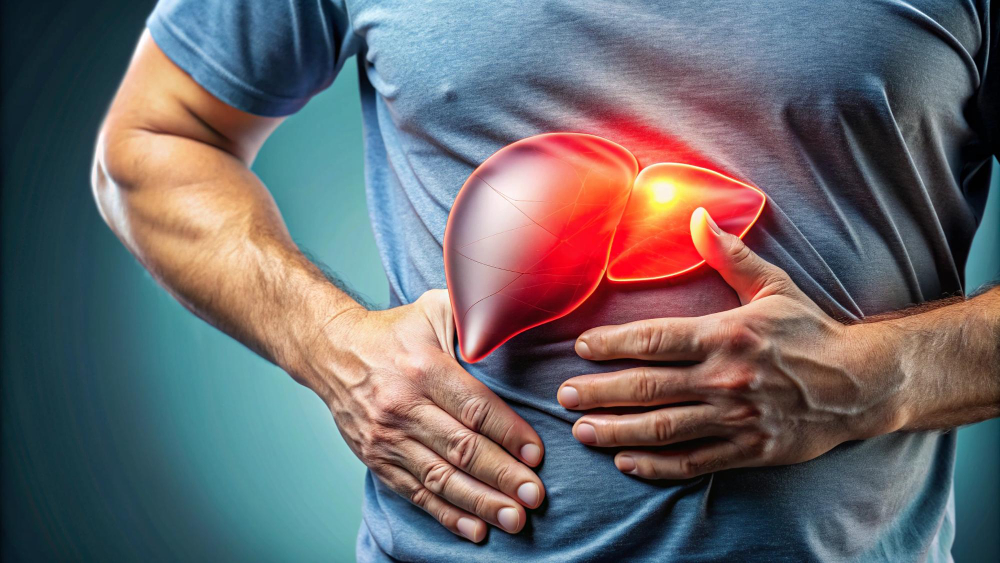
Liver cirrhosis is a serious condition where the liver becomes scarred over time. Because of this scarring, the liver cannot work as well as it should. The liver helps your body digest food, store energy, and remove toxins. When cirrhosis develops, these important jobs become harder for the liver to do. Although cirrhosis is a long-term problem, early care can help slow its progress. In many cases, people do not notice symptoms until the liver is badly damaged. For this reason, it is important to know the signs of liver cirrhosis and seek help early.
Common Symptoms
Often, liver cirrhosis does not cause symptoms at first. However, as the disease gets worse, you may notice changes in your body. For example, you might feel tired or weak. Below are some common signs of liver cirrhosis:
Because these symptoms can be caused by other problems, it is important to talk to a doctor if you notice them.
Major Causes
There are several reasons why someone may develop liver cirrhosis. In many cases, long-term damage leads to scarring. Here are the main causes:
Because some causes are preventable, knowing your risk can help you take action early. For example, avoiding heavy drinking and getting vaccinated for hepatitis can lower your risk.
Diagnosis Methods
Doctors use several tests to find out if you have liver cirrhosis. First, they will ask about your symptoms and medical history. Next, they may do a physical exam. To confirm the diagnosis, your doctor may order:
Because early diagnosis can help slow the disease, it is important to see a doctor if you have risk factors or symptoms.
Treatment Options
While there is no cure for liver cirrhosis, treatment can help manage symptoms and slow damage. Your doctor will choose the best plan based on the cause and stage of your disease. Common treatment options include:
Because each person is different, your doctor will guide you on the best steps for your health.
Lifestyle Tips for Managing Liver Cirrhosis
Living with liver cirrhosis can be challenging. However, healthy habits can make a big difference. For example, you can:
Because small changes add up, try to make healthy choices every day.
Prevention Strategies
Although not all cases can be prevented, you can lower your risk of liver cirrhosis. Here are some helpful tips on how to prevent liver cirrhosis:
Because prevention is easier than treatment, these steps can help protect your liver health.
When to See a Doctor
It is important to seek medical help if you notice signs of liver cirrhosis. For example, see a doctor if you have yellow skin, swelling, or confusion. Also, if you have risk factors like heavy drinking or hepatitis, regular check-ups are important. Early care can help slow the disease and improve your quality of life.
In summary, liver cirrhosis is a serious but manageable condition. Because early action can make a big difference, consult a healthcare specialist for personalized advice on liver cirrhosis.