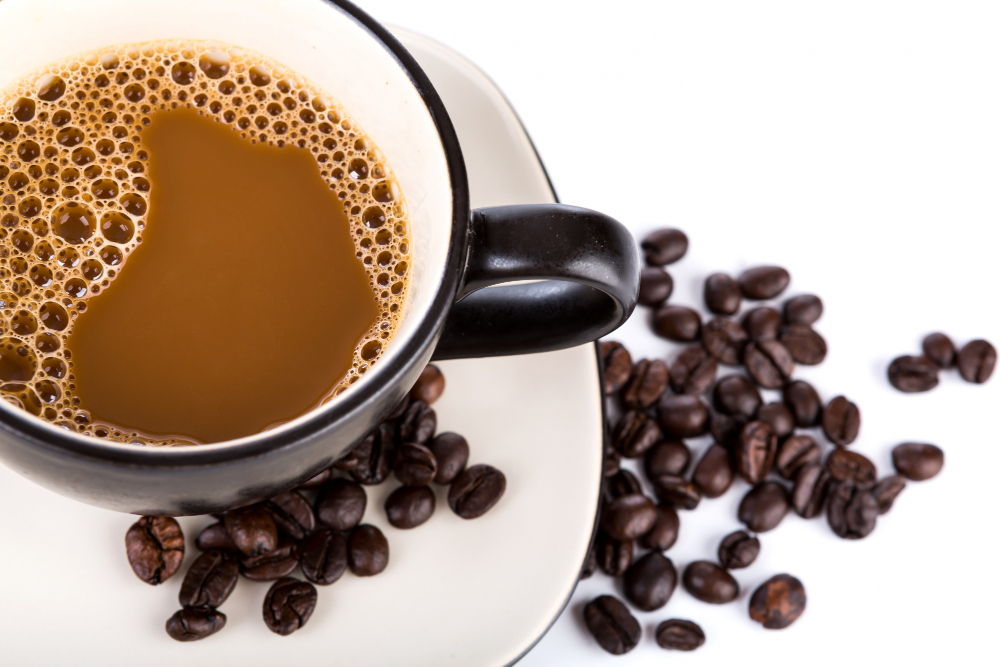
Many people enjoy coffee every day. However, too much caffeine can lead to over-caffeination. This means your body has more caffeine than it can handle. Over-caffeination can cause anxiety or make it worse. If you notice changes in your mood or body after drinking coffee, you may wonder if your coffee is causing your anxiety. In this blog, we will explore the signs of too much caffeine, how it affects your mind, and ways to reduce caffeine for anxiety relief.
Common Signs of Over-Caffeination
Sometimes, it is hard to know if you have had too much caffeine. But there are clear signs to watch for. If you notice these symptoms after drinking coffee or other caffeinated drinks, you may be over-caffeinated:
For many people, these signs appear within a few hours of drinking coffee. But sometimes, they last longer. If you notice these symptoms often, it may be time to look at your caffeine habits.
How Caffeine Triggers Anxiety
Caffeine is a stimulant. This means it speeds up your body’s systems. When you drink coffee, caffeine blocks a brain chemical called adenosine. Normally, adenosine helps you feel calm and sleepy. But when caffeine blocks it, you feel more alert. However, this can also make you feel nervous or anxious.
In addition, caffeine increases the release of stress hormones like cortisol and adrenaline. These hormones prepare your body for action. But too much can make you feel anxious or panicked. For people who are sensitive to caffeine, even small amounts can cause these effects. According to the CDC and peer-reviewed studies, high caffeine intake is linked to higher anxiety levels in some people.
Diagnosis and Self-Assessment
It can be tricky to know if caffeine is causing your anxiety. However, there are ways to check. Try these steps:
If your symptoms are worse after caffeine, it may be the cause. But sometimes, anxiety has other triggers. If you are unsure, talk to a healthcare professional. They can help you find the cause and suggest the best steps.
Reducing Your Caffeine Intake
If you think coffee is causing your anxiety, you can take steps to cut back. Here are some safe ways to reduce caffeine for anxiety:
Over time, your body will adjust. You may notice less anxiety and better sleep as you reduce caffeine.
Prevention and Lifestyle Tips
There are ways to prevent over-caffeination and manage anxiety. Consider these lifestyle changes:
By making these changes, you can enjoy coffee in moderation and keep anxiety in check.
When to Seek Medical Advice
Sometimes, anxiety or over-caffeination can become serious. You should seek medical help if you notice:
Remember, everyone reacts to caffeine differently. If you suspect your coffee is causing anxiety, consult a healthcare professional for personalized advice.