Introduction
Anemia is a common health problem. It happens when your blood does not have enough healthy red blood cells. Because of this, your body may not get enough oxygen. Many people ask about the best diet for anemia. Eating the right foods can help your body make more healthy blood cells. In this blog, you will learn how to improve anemia with food and simple changes.
What Is Anemia?
Anemia means your blood cannot carry enough oxygen. This can make you feel tired, weak, or short of breath. There are many types of anemia. However, the most common type is iron-deficiency anemia. This means your body does not have enough iron. Iron helps your body make red blood cells. Other types of anemia may be caused by low vitamin B12 or folate. (Source: CDC)
Why Diet Matters in Anemia
Eating the right foods for anemia is very important. Your body needs certain nutrients to make healthy blood. If you do not get enough of these nutrients, anemia can get worse. On the other hand, a good diet for anemia can help you feel better. It can also help prevent anemia from coming back.
Essential Nutrients for Anemia
Several nutrients are key for healthy blood. Here are the most important ones:
Without enough of these, your blood health can suffer.
Best Foods to Include
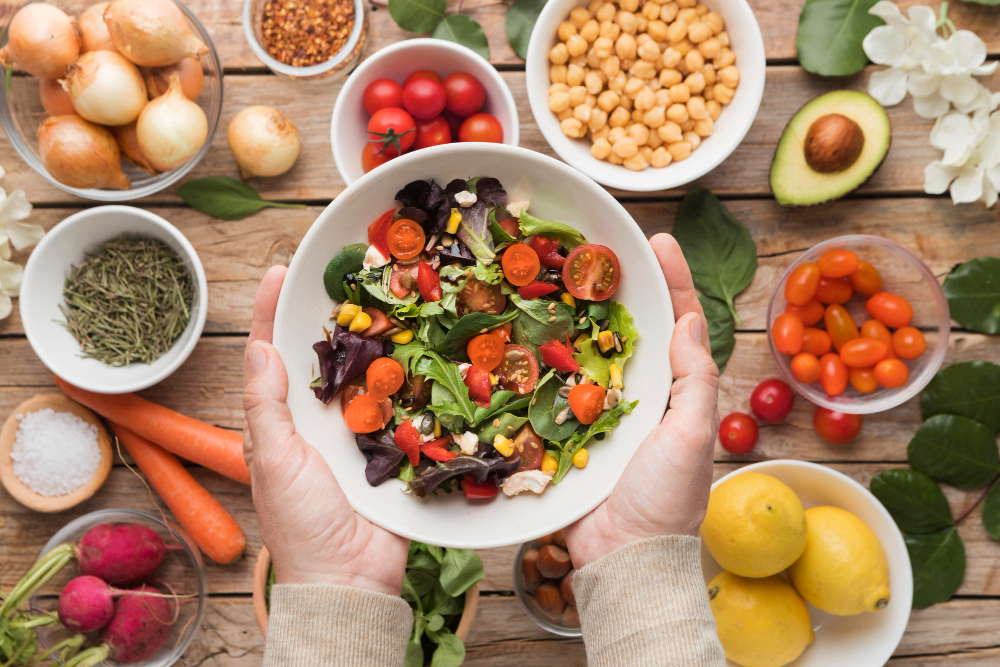
Adding certain foods for anemia can boost your blood health. Try to eat a mix of these foods every day:
Including these foods in your meals can help improve anemia with food.
Foods and Habits to Avoid
Some foods and habits can make anemia worse. Try to limit or avoid the following:
Instead, drink water or juice with meals to help your body absorb more iron.
Sample Meal Ideas for Anemia
Here are some easy meal ideas for an iron-rich diet:
Try to add a vitamin C-rich food to each meal. This helps your body use the iron better.
Tips for Improving Nutrient Absorption
Even if you eat well, your body needs to absorb the nutrients. Here are some tips:
These habits can make your diet for anemia more effective.
Prevention and Lifestyle Guidance
To prevent anemia, eat a balanced diet every day. Include a variety of foods for anemia. Also, get regular check-ups with your doctor. If you have heavy periods or a health condition, talk to your doctor about your risk. Sometimes, you may need supplements. However, do not take iron pills without medical advice. (Source: WHO)
Conclusion
Eating the right foods can help manage and prevent anemia. Choose iron-rich foods, add vitamin C, and avoid habits that block iron. For the best results, consult a healthcare professional for personalized dietary advice on anemia.