
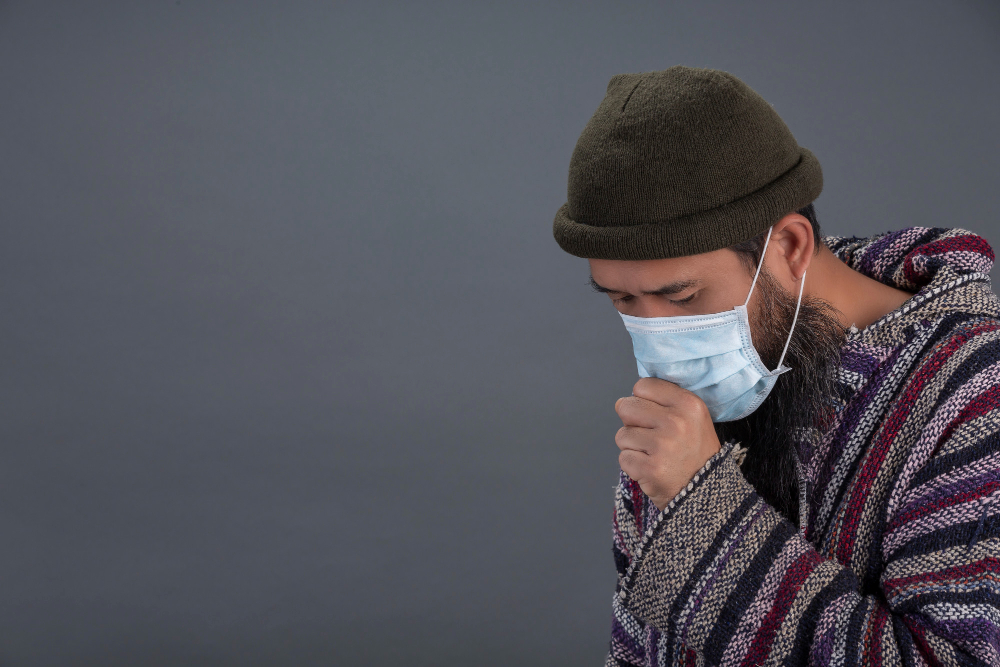
What is H3N2 Flu?
The H3N2 flu is a type of influenza virus that can cause seasonal flu outbreaks. This virus is one of the main strains that affect people each year. According to the CDC, H3N2 flu can lead to mild or severe illness. Sometimes, it can even cause hospital stays, especially in young children, older adults, and people with weak immune systems. Because the H3N2 flu spreads easily, it is important to know how to protect yourself and your family.
Common Symptoms of H3N2 Flu
H3N2 flu symptoms often appear quickly. Usually, they start about one to four days after being exposed. While symptoms can vary, most people experience:
However, not everyone will have all these symptoms. Some people may have mild signs, while others feel very sick. If you notice trouble breathing, chest pain, or confusion, seek medical help right away.
Causes and Transmission
The H3N2 flu virus spreads mainly through droplets when an infected person coughs, sneezes, or talks. These droplets can land in the mouths or noses of people nearby. Sometimes, the virus can also spread by touching surfaces with the virus on them and then touching your face. Because the virus spreads so easily, crowded places can increase your risk. In addition, people are most contagious in the first three to four days after symptoms begin.
Diagnosis Methods
Doctors use several methods to diagnose H3N2 flu. First, they ask about your symptoms and recent contact with sick people. Next, they may perform a physical exam. Sometimes, a rapid flu test is done using a swab from your nose or throat. These tests can give results in less than 30 minutes. However, for more accurate results, doctors may send samples to a lab for special tests. Early diagnosis helps start treatment sooner and prevents the spread of the virus.
Treatment Options
Treatment for H3N2 flu focuses on easing symptoms and preventing complications. Most people recover at home with rest and fluids. However, antiviral medicines like oseltamivir (Tamiflu) or zanamivir (Relenza) may be prescribed, especially for those at higher risk. These medicines work best when started within two days of symptoms. In addition, over-the-counter pain relievers can help reduce fever and aches. Always follow your doctor’s advice and do not give aspirin to children with flu symptoms.
Prevention Tips and Lifestyle Guidance
Preventing H3N2 flu is possible with a few simple steps. Here are some tips to help protect yourself and others:
By following these steps, you can lower your risk of catching or spreading H3N2 flu. In addition, teaching children these habits helps keep families and communities safe.
Conclusion
H3N2 flu can cause mild to severe illness, but you can take steps to protect yourself. Remember, early diagnosis and treatment make a big difference. For personalized advice on H3N2 flu, consult a healthcare professional.