
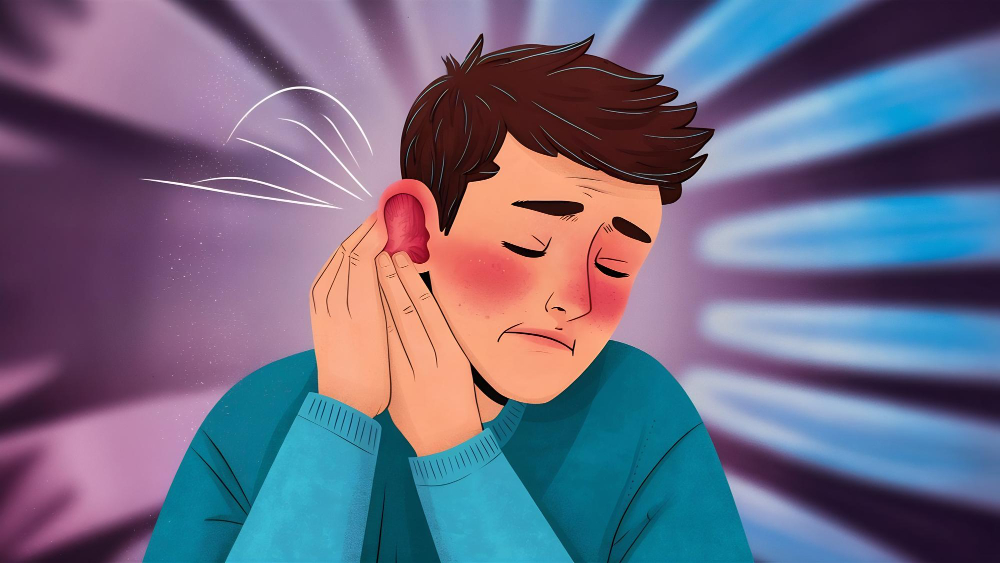
What Is Ear Discharge?
Ear discharge is any fluid that comes out of the ear. Doctors may call it otorrhea. Usually, ear discharge is clear, yellow, or sometimes bloody. While a small amount of earwax is normal, other types of ear discharge can signal a problem. For example, watery ear discharge or pus may mean an infection. Ear discharge in adults and children can happen for many reasons. It is important to know what is normal and when to seek help.
Common Symptoms of Ear Discharge
Often, ear discharge comes with other symptoms. These signs can help you and your doctor find the cause. For instance, you may notice:
Sometimes, the discharge is thick and yellow. Other times, it may be thin and watery. If you see blood or pus, you should pay close attention. In many cases, these symptoms mean you need medical care.
Causes of Ear Discharge
There are several reasons why ear discharge may occur. Some causes are mild, but others need quick treatment. Here are common causes:
According to the CDC, ear infections are a leading cause of ear discharge, especially in children.
How Ear Discharge Is Diagnosed
Doctors use several steps to find out why ear discharge is happening. First, they ask about your symptoms and medical history. Next, they look inside your ear with a special light called an otoscope. This helps them see if the ear canal or eardrum is red, swollen, or leaking fluid. Sometimes, doctors may:
Early diagnosis helps prevent serious problems. Therefore, it is important to see a doctor if you notice new or unusual ear discharge.
Treatment Options for Ear Discharge
Treatment depends on the cause of the ear discharge. For example, if an infection is present, doctors may prescribe antibiotics or antifungal drops. Here are common treatments:
It is important not to put anything in your ear unless your doctor says it is safe. Also, avoid getting the ear wet until it heals.
Prevention Tips and Lifestyle Guidance
There are simple steps you can take to prevent ear discharge. For instance:
With these habits, you can lower your risk of ear infection fluid and other causes of discharge.
When to See a Doctor
While some ear discharge is mild, you should see a doctor if:
Prompt care can prevent complications. According to the World Health Organization, untreated ear infections can lead to hearing loss or other serious issues.
Conclusion
Ear discharge can have many causes, from infections to injuries. Most cases are treatable, especially when caught early. However, ignoring symptoms can lead to bigger problems. If you notice ear discharge or have concerns about your ear health, consult a healthcare professional for advice and treatment.